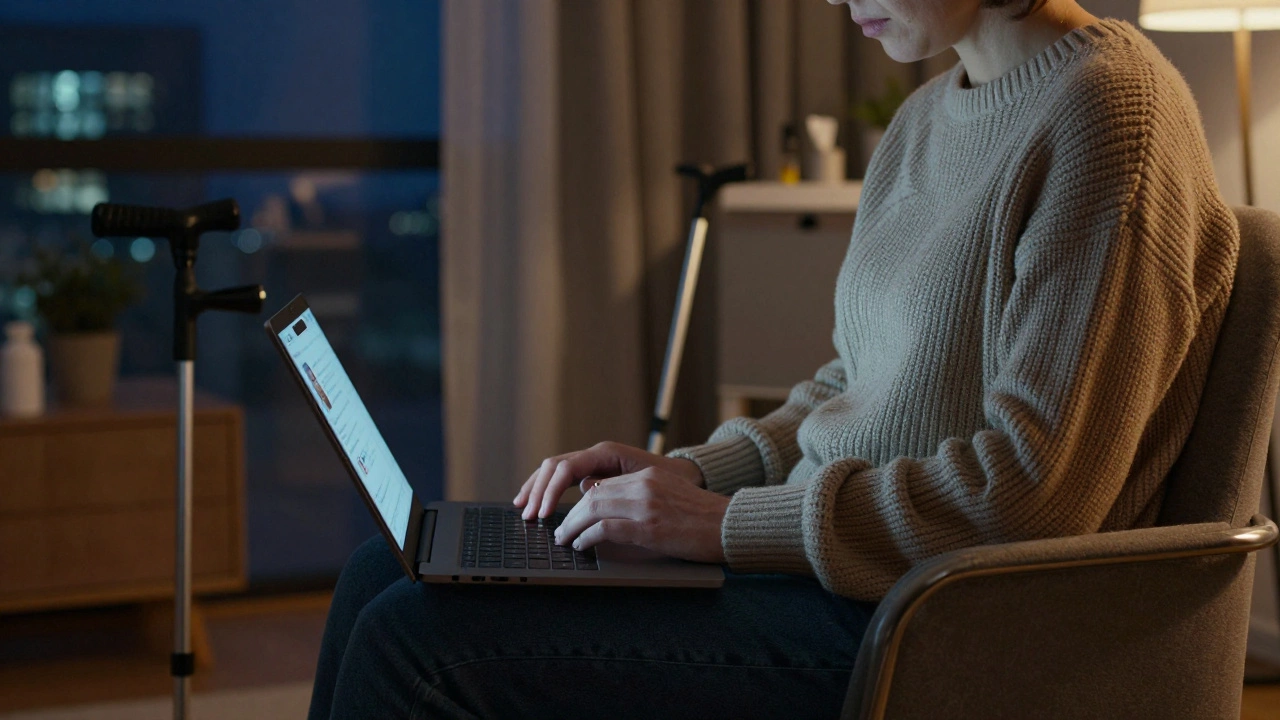
For many people living with chronic illness, work isn’t just about income-it’s about dignity, autonomy, and survival. When traditional jobs become impossible due to pain, fatigue, or unpredictable flare-ups, some turn to sex work. It’s not a choice made lightly. It’s often the only option left when disability benefits are insufficient, employers won’t accommodate limitations, and medical bills pile up faster than paychecks. This isn’t theoretical. It’s happening right now, in cities and towns around the world, including places like Dubai, where the line between legality and survival blurs under pressure. For some, finding work through services like girls for sex in dubai becomes a way to control their time, set their own rates, and avoid the rigid schedules that make office jobs unbearable.
Chronic illness doesn’t discriminate. It affects young people and older adults, men and women, people with visible disabilities and those whose pain stays hidden. Fibromyalgia, lupus, ME/CFS, endometriosis, and multiple sclerosis are just a few conditions that can make 9-to-5 work impossible. Sitting for hours? Impossible. Standing on your feet all day? No. Traveling to an office? Too risky. But working from home, on your own terms, with flexible hours? That’s possible. Sex work, particularly online or through private arrangements, offers that flexibility. There’s no clock-in, no boss demanding you push through a migraine. You rest when you need to. You work when you can.
Why Sex Work Over Other Options?
People with chronic illness often explore other paths first. Freelancing? Great-until you can’t sit at a laptop for more than 20 minutes. Remote customer service? Fine, until you need to nap mid-shift and get flagged for inactivity. Disability payments? In many countries, they’re barely enough to cover rent, let alone medications or specialist care. In Dubai, where the cost of living is high and healthcare for non-citizens is expensive, even a modest income from sex work can mean the difference between staying in your apartment or being evicted.
Unlike traditional gig work, sex work doesn’t require physical stamina in the same way. You don’t need to lift heavy boxes or stand on concrete for eight hours. You can negotiate boundaries, set limits on duration, and choose clients carefully. Many workers use video calls, messaging, or private appointments to reduce physical strain. Some use mobility aids during sessions. Others work entirely online. The control is real-and that’s what makes it viable.
The Hidden Costs of Stigma
Stigma doesn’t just hurt feelings. It kills access to care. When someone is labeled a sex worker, doctors may dismiss their pain as “psychosomatic.” Landlords may refuse to rent to them. Family members may cut ties. In Dubai, where public morality laws are strict and foreign workers have little legal protection, being identified as a sex worker can lead to deportation, fines, or worse. That’s why many use aliases, avoid social media, and keep their work completely separate from their health struggles.
But stigma also isolates them from support networks. Support groups for chronic illness rarely mention sex work as a valid survival strategy. Online forums about disability often warn against it, assuming it’s dangerous or immoral-without acknowledging that for some, it’s the least dangerous option. Meanwhile, sex worker advocacy groups rarely talk about chronic illness. The two communities rarely overlap, leaving people in the middle with nowhere to turn.
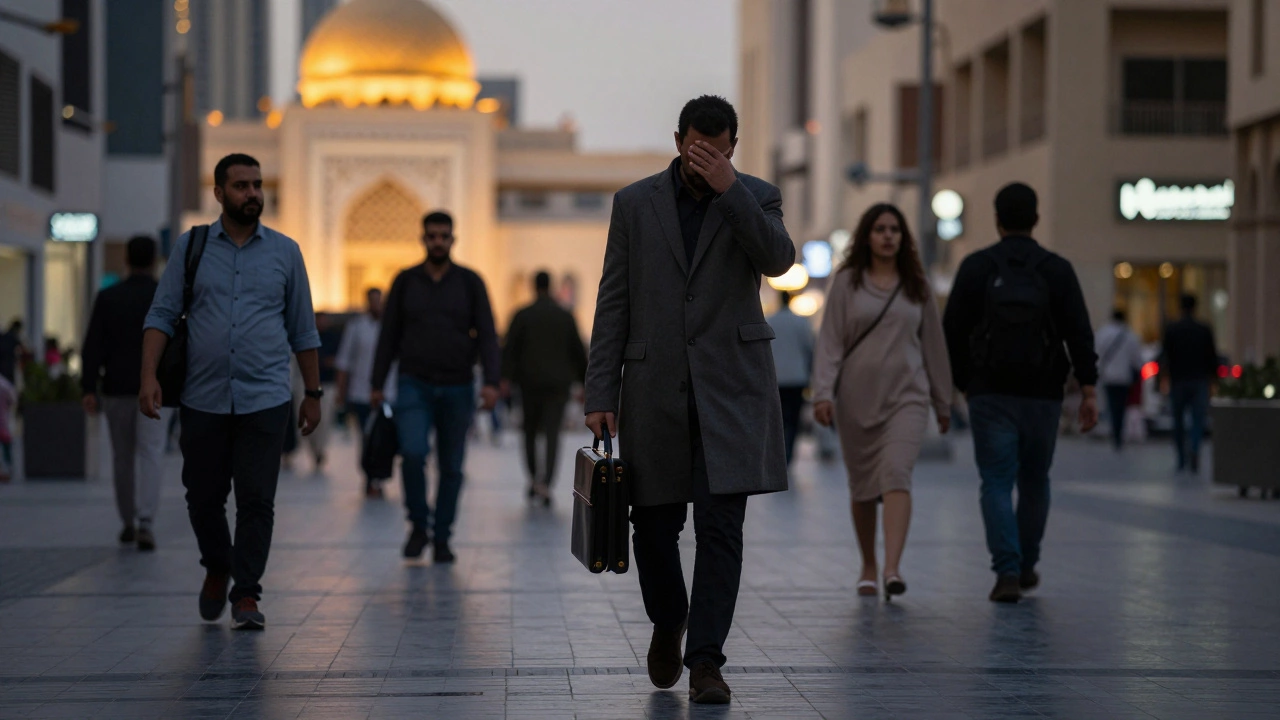
Real Stories, Real Numbers
A 2023 study of 212 people with chronic illness who engaged in sex work across six countries found that 78% reported improved quality of life after switching from traditional employment. Why? Flexibility. Control. Reduced stress. The average monthly income from sex work was $1,800-more than double what they earned from part-time disability-dependent jobs. Nearly 60% said they could finally afford their medications without skipping doses.
One woman in Dubai, who asked to remain anonymous, told me she was diagnosed with severe endometriosis at 26. After three surgeries and two years of missed work, she lost her job. Her disability allowance covered rent but not her $400 monthly pain medication. She started offering companionship services through discreet platforms. She works two to three nights a week, only when her pain allows. She doesn’t do street work. She doesn’t take risks. She uses the same screening tools many sex workers use: background checks, client reviews, and pre-call conversations. She says it’s the first job where she feels respected-not as a patient, not as a burden, but as a person.
International Sex Guide Dubai: Navigating Legal Gray Zones
Dubai doesn’t have legal sex work. But it does have a large expat population, high demand for companionship, and a thriving underground economy. That’s where the international sex guide dubai comes in-not as a legal document, but as a practical resource. People with chronic illness who work in Dubai rely on informal networks: WhatsApp groups, encrypted apps, trusted referrals. They share tips on safe locations, how to avoid police raids, which hotels are less likely to report guests, and how to handle medical emergencies without drawing attention.
Many use the term “companion” instead of “sex worker.” It’s not just semantics. It’s survival. Saying you’re a “companion” reduces the risk of being targeted. It also helps them access services without triggering suspicion. Some even partner with travel agencies or event planners to offer “private tours” or “cultural experiences,” which gives them a cover story that holds up under scrutiny.
Health, Safety, and Risk Management
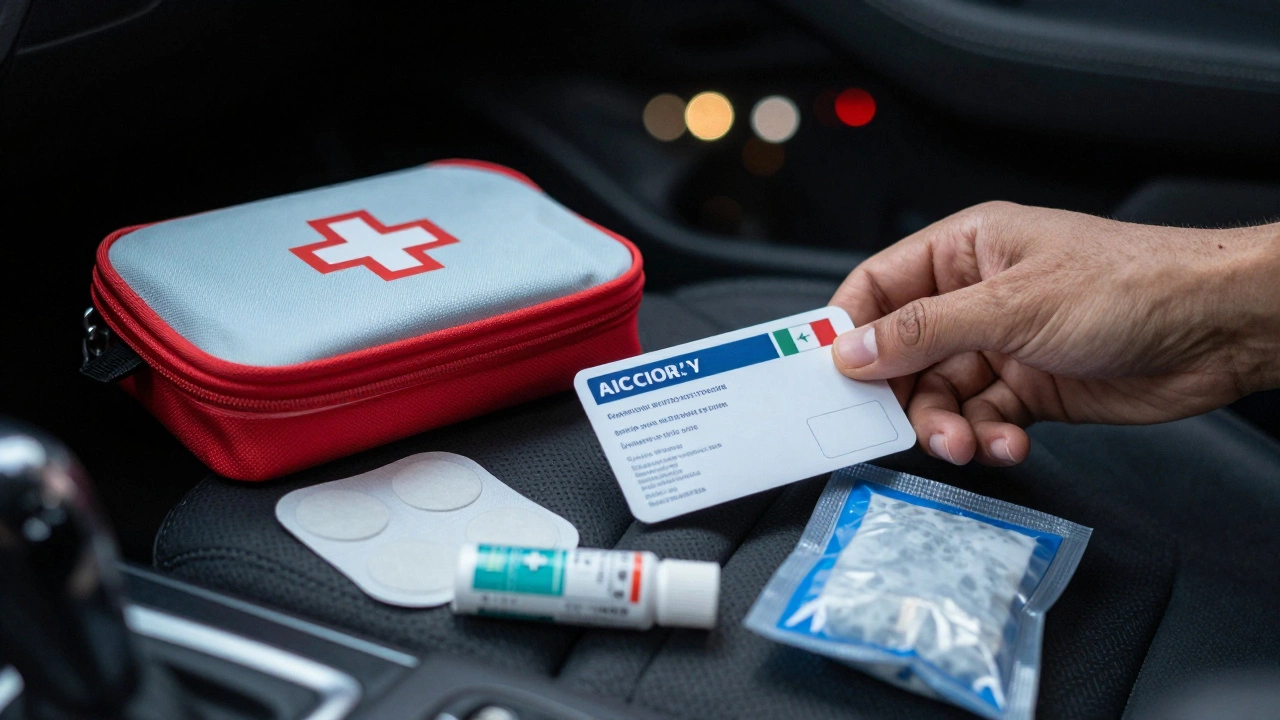
Managing chronic illness while doing sex work isn’t about ignoring risk-it’s about minimizing it with precision. People who do this well treat their work like a medical protocol. They have emergency contacts. They carry medical alert cards. They schedule rest days between sessions. They avoid alcohol and drugs that interfere with their medications. They use telehealth services for check-ups. Some even have nurses on call for post-session care.
One woman with Ehlers-Danlos syndrome told me she keeps a small medical kit in her car: pain patches, anti-inflammatory gel, and a portable ice pack. She doesn’t work if she’s in a flare. She has a code word with her partner to signal if something feels off. She’s been doing this for five years. She’s never been arrested. She’s never been hurt. She says the key isn’t luck-it’s discipline.
That’s why tools like escord dubai exist-not as a commercial platform, but as a whispered recommendation among those who know the risks. It’s a name passed from one person to another, a way to find someone who understands the balance between survival and safety. It’s not about glamour. It’s about knowing who won’t judge you when you show up tired, in pain, and still showing up anyway.
What’s Missing From the Conversation
Most discussions about sex work ignore chronic illness. Most discussions about disability ignore sex work. That’s a dangerous gap. People with chronic illness need better access to income, healthcare, and housing. They need legal protections. They need employers who understand invisible disabilities. They need social safety nets that don’t force them into impossible choices.
Until then, sex work will remain a quiet lifeline for many. Not because it’s ideal-but because it’s possible. And for people who’ve been told their bodies are broken, that’s not just survival. It’s power.