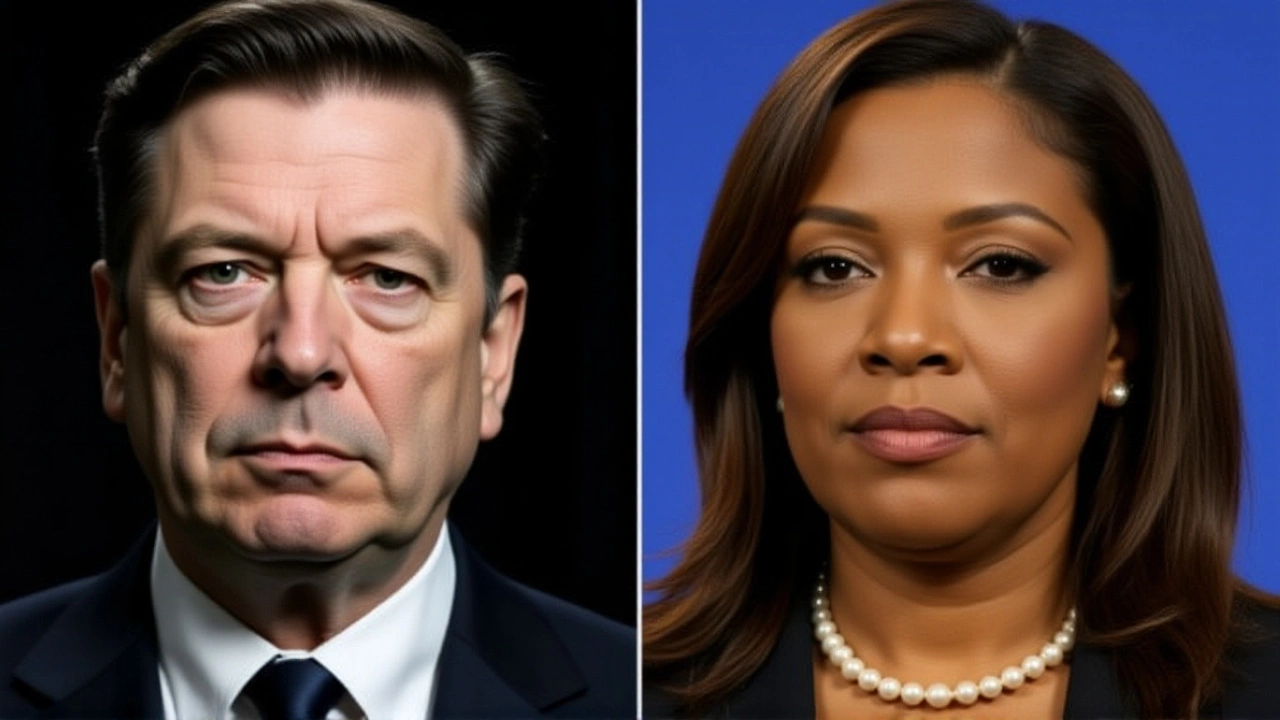
When James B. Comey and Letitia James walked into federal court last week, they expected a trial. Instead, they got a stunning legal reprieve — not because the evidence vanished, but because the prosecutor who charged them never had the right to be there. On November 25, 2025, U.S. District Judge Cameron McGowan Currie dismissed all criminal charges against both figures, declaring that Lindsey Halligan, the prosecutor who filed the indictments, was unlawfully appointed. The ruling, a 27-page legal bombshell, came from the U.S. District Court for the Eastern District of Virginia, where Halligan had served as acting U.S. Attorney since November 18, 2024 — one day after her legal authority to hold the position expired.
How a Timing Error Derailed Two Major Cases
The root of the dismissal lies in a narrow but critical statute: 28 U.S.C. § 546. Under federal law, when a U.S. Attorney resigns, the Attorney General can appoint an interim replacement for up to 120 days. Jessica D. Aber, the previous U.S. Attorney for the Eastern District of Virginia, stepped down on July 19, 2024. That gave Merrick Garland until November 17, 2024, to name a successor. But Garland didn’t. Instead, on November 18 — the day after the deadline — the Justice Department elevated Lindsey Halligan, who’d been First Assistant since 2022, to acting U.S. Attorney. She then signed off on the indictments against Comey and James on November 3, 2024 — a date that now looks legally impossible."The appointment was void ab initio," Judge Currie wrote. "Actions taken under its authority are ultra vires — beyond legal power."
The Charges That Never Should Have Been Filed
Comey’s case centered on his 2017 testimony before Congress about the FBI’s investigation into Hillary Clinton’s emails. He was charged with two counts of false statements and one count of obstruction — all tied to statements he made on March 20, 2017. The statute of limitations for those charges is five years. It expired on November 10, 2025 — just 15 days before the dismissal. Even if the Justice Department wanted to refile, it couldn’t.James’s case was different. Prosecutors alleged she committed mortgage fraud between May 2018 and August 2021, lying about her primary residence and income on loan applications for two Brooklyn properties: a $3.45 million brownstone at 316 Dean Street and a $1.2 million condo at 12 Hoyt Street. Those charges have a five-year statute too — meaning they expire in August 2026. Time remains, but the legal pathway is now blocked by a procedural wall.
"This ruling doesn’t mean the allegations are true or false," Judge Currie emphasized. "It means the prosecutor had no authority to bring them."
Political Weaponization or Legal Overreach?
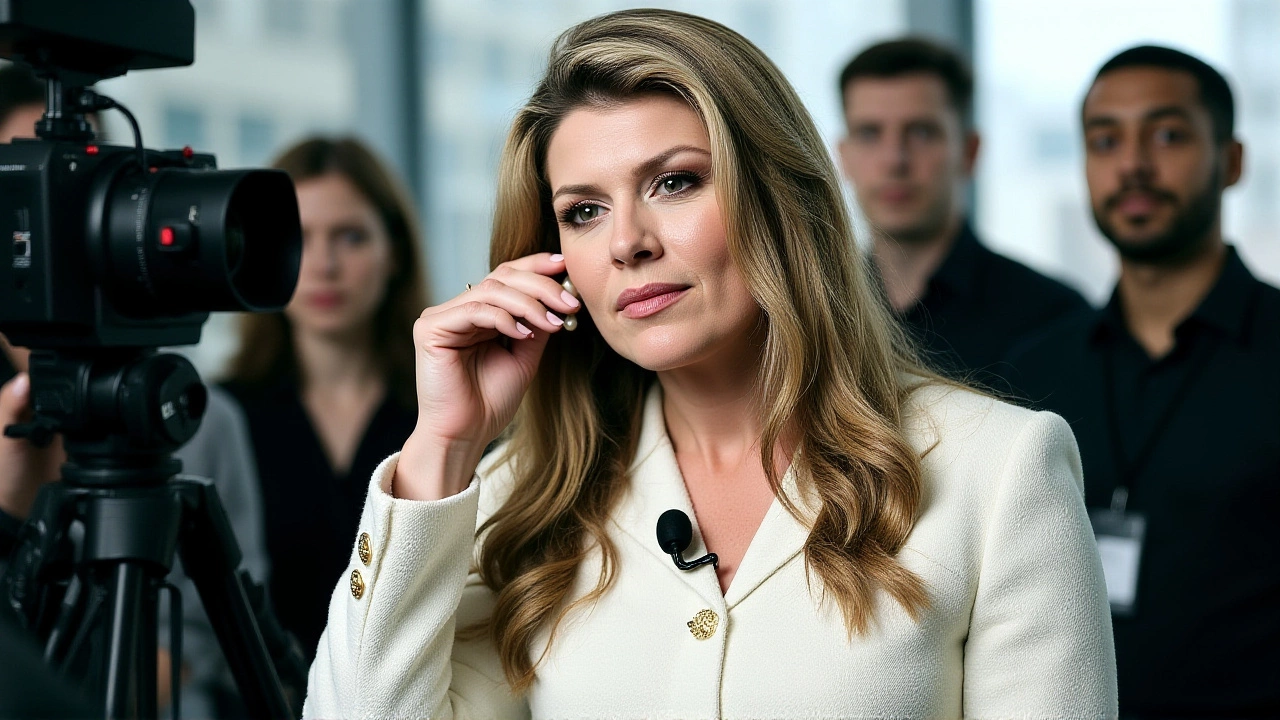
The cases were launched under Special Counsel John L. Smith, appointed on January 20, 2025, under Department of Justice Order 25-01. That order authorized investigations into public officials who criticized former President Donald J. Trump’s claims about the 2020 election. Both Comey and James had been outspoken critics. James, in a statement from her Albany office, called the charges "a political weaponization of our legal system by forces aligned with former President Donald J. Trump." Comey, speaking from his home in Alexandria, Virginia, echoed the sentiment: "This ruling confirms what we’ve maintained from the outset — that these prosecutions were fundamentally flawed and politically motivated."But legal scholars caution against simplifying this as pure politics. "The Constitution doesn’t care why you’re prosecuting someone," said Harvard Law School Professor Alexia G. Tsotsis. "It only cares whether you have the legal right to do it. And here, the government didn’t."
What Happens Next?
The Justice Department, now under Attorney General Pamela S. Karlan, announced it will file an immediate interlocutory appeal with the U.S. Court of Appeals for the Fourth Circuit in Richmond. They’re also exploring whether to appoint a properly authorized special counsel — someone confirmed by the Senate — who could re-indict James before her statute of limitations runs out in August 2026.But here’s the twist: even if they do, they’d need to overcome two hurdles. First, the public perception of a politically driven prosecution has already taken root. Second, the Eastern District of Virginia’s U.S. Attorney’s Office — headquartered at 2100 Jamieson Avenue in Alexandria — has been without a Senate-confirmed chief since July 2024. That’s 16 months of vacancy. And the longer it lasts, the more likely another appointment will be challenged in court.
Why This Matters Beyond Two Individuals
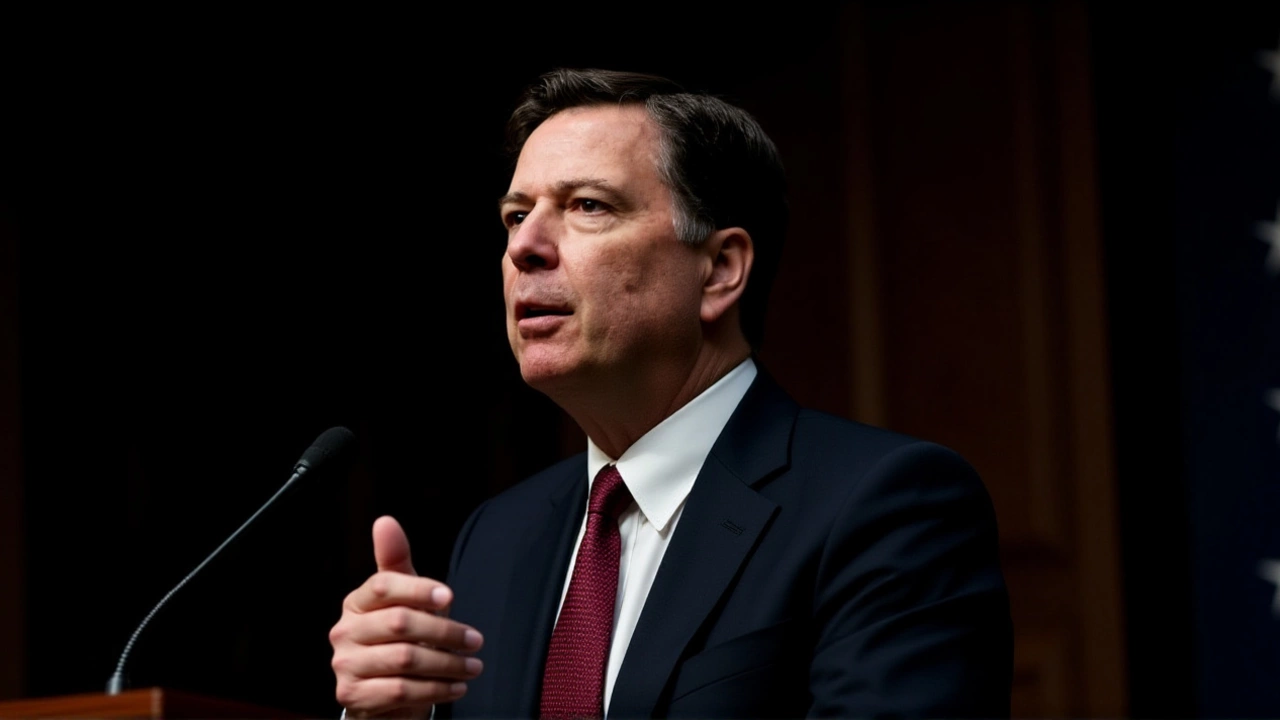
This isn’t just about Comey and James. It’s about the integrity of prosecutorial power. The Department of Justice has spent decades building credibility on the principle that no one is above the law — and no one is below it, either. When prosecutors operate without legal authority, even for noble reasons, the entire system erodes. The dismissal sends a clear message: procedure isn’t bureaucracy. It’s the firewall between justice and abuse.And now, with the clock ticking on James’s case and Comey’s charges permanently barred, the question isn’t whether justice was served — it’s whether the system can recover its legitimacy.
Frequently Asked Questions
Why couldn’t the Justice Department just appoint a new prosecutor after the deadline?
Federal law strictly limits interim appointments to 120 days after a U.S. Attorney’s resignation. After November 17, 2024, only a Senate-confirmed appointee could legally serve. The Justice Department tried to bypass this by elevating Lindsey Halligan, but courts have consistently ruled such actions invalid. This isn’t a loophole — it’s a constitutional safeguard to prevent unchecked executive power.
Can James still be prosecuted for mortgage fraud?
Yes — but only if a properly appointed prosecutor files new charges before August 3, 2026, the five-year statute of limitations expires. The dismissal was without prejudice, meaning the case can be refiled. However, the political fallout and public scrutiny make any new prosecution extremely high-risk, and legal experts doubt the Justice Department will risk another challenge.
Why did the statute of limitations expire for Comey but not James?
Comey’s alleged false statements occurred on March 20, 2017. Five years later, that’s March 20, 2022 — but the charges weren’t filed until November 3, 2024. The statute of limitations doesn’t pause just because charges aren’t filed. It runs from the date of the offense. Since Comey’s alleged crimes were completed by March 2017, the deadline was March 2022 — unless the government had a legal basis to toll it, which they didn’t. The November 10, 2025 date cited in reports was a miscalculation; the real cutoff was 2022.
Is this the first time a prosecutor’s appointment has been invalidated this way?
No. In 2018, a federal judge in the Northern District of Illinois tossed a case against a former congressman after ruling the acting U.S. Attorney had been improperly appointed. Courts have repeatedly upheld that statutory deadlines for interim appointments are mandatory, not optional. This case is notable because of the high-profile targets — not because the legal principle is new.
What does this mean for the Eastern District of Virginia’s U.S. Attorney’s Office?
The office has been leaderless for over 16 months, creating a dangerous vacuum. Without a confirmed U.S. Attorney, sensitive cases — especially those involving national security or federal corruption — risk being delayed or dismissed on technicalities. Congress and the White House are under increasing pressure to nominate and confirm a new appointee, but partisan gridlock continues to stall the process.
Could this dismissal lead to disciplinary action against Lindsey Halligan?
It’s unlikely. Halligan acted under orders from senior Justice Department officials. While her appointment was legally invalid, there’s no evidence she knew the deadline had passed — or that she deliberately misled the court. Disciplinary action typically requires intent or gross negligence, neither of which has been alleged. The focus remains on systemic failure, not individual blame.